Transform your garden with hydrangeas
Posted on 27/08/2025
Transform Your Garden with Hydrangeas: A Comprehensive Guide
Are you looking to elevate your garden with breathtaking blooms and vibrant colors? Hydrangeas are the ultimate flowering shrub to dramatically enhance the beauty and ambiance of any outdoor space. In this article, we'll walk you through everything you need to know to transform your garden with hydrangeas, from choosing the right varieties and planting to care tips and stunning design ideas. Whether you're a seasoned gardener or just starting, discover how these gorgeous blooms can turn your ordinary yard into a magical retreat.
Why Hydrangeas Are the Secret to Garden Transformation
Hydrangeas are beloved for their lush foliage and show-stopping clusters of flowers that come in a wide spectrum of colors, shapes, and sizes. These versatile shrubs can be incorporated into almost any garden style--from cottage gardens to formal landscapes.
- Color-Changing Wonders: Certain hydrangea species can change color based on soil pH, offering unique seasonal interest.
- Long Bloom Season: Hydrangeas bloom from late spring to early autumn, providing months of brilliant color.
- Low Maintenance: Once established, hydrangeas require minimal care.
- Perfect for Every Garden Size: From compact varieties for small spaces to sprawling types for borders.
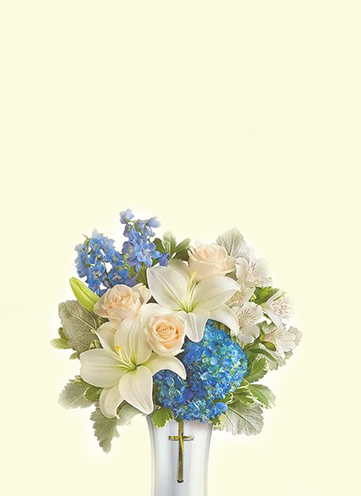
- Excellent Cut Flowers: Hydrangea blooms are perfect for floral arrangements indoors and out.
Popular Hydrangea Varieties to Revitalize Your Garden
Before you start transforming your garden with hydrangeas, it's important to choose the right type. There are several popular hydrangea varieties, each with distinct characteristics, colors, and growth habits.
1. Bigleaf Hydrangeas (Hydrangea macrophylla)
- Mophead: Large, round clusters of flowers, often in blue, pink, or purple, depending on the soil acidity.
- Lacecap: Flatter flowerheads with a ring of showy blossoms around tiny fertile flowers.
2. Panicle Hydrangeas (Hydrangea paniculata)
- Known for upright, cone-shaped blooms that shift from white to pink as the season progresses.
- Examples: 'Limelight', 'Pinky Winky'
3. Smooth Hydrangeas (Hydrangea arborescens)
- Features round, fluffy flower clusters; most famous variety is 'Annabelle'.
- Tolerates sun and shade well.
4. Oakleaf Hydrangeas (Hydrangea quercifolia)
- Features deeply lobed oak-like leaves and cone-shaped white blooms.
- Fall foliage turns shades of red, burgundy, and orange for extra ornamental value.
5. Mountain Hydrangeas (Hydrangea serrata)
- Similar to bigleaf but more cold-hardy and compact, suitable for smaller gardens.
Mixing different hydrangea varieties will infuse your garden with dimension, color, and texture all season long.
Choosing the Best Spot to Plant Hydrangeas
For successful hydrangea gardening, selecting the ideal location is crucial. Hydrangeas thrive best when their specific needs are met.
- Sunlight: Hydrangeas prefer morning sun and afternoon shade, especially in warmer climates. Panicle hydrangeas tolerate more sun.
- Soil: Loose, well-drained soil is key. Amending heavy clay or sandy soils will help with root establishment.
- Space: Allow enough room for mature growth. Hydrangeas can spread 3-10 feet wide depending on the variety.
- Protection: Choose spots sheltered from strong winds to prevent snapping stems and damaged flowers.
How to Plant Hydrangeas for a Stunning Garden Transformation
Planting your hydrangeas properly is essential for healthy growth and spectacular blooms. Here's a step-by-step guide to get you started:
- Dig a Hole: Make it twice as wide as the root ball and just as deep.
- Soil Preparation: Blend in compost or organic matter for nutrients and better drainage.
- Position the Plant: Set the hydrangea in the hole at the same depth it was in its pot.
- Backfill and Water: Fill in with soil, tamp gently, and water deeply to eliminate air pockets.
- Mulch: Add a layer of mulch around the base to retain moisture and keep roots cool.
Tip: Water hydrangeas regularly during the first year until roots are well established.
Essential Hydrangea Care: Keeping Your Blooms Thriving
Caring for hydrangeas is easy when you follow a few essential practices. Here are key tips to ensure your hydrangea garden flourishes season after season:
Watering
- Hydrangeas like consistent moisture, especially during hot, dry spells. Water deeply once or twice a week, more frequently in sandy soils.
Feeding
- Apply a balanced, slow-release fertilizer in spring as new growth appears. Over-fertilizing can reduce blooms.
Pruning
- Know your hydrangea type: Some varieties bloom on old wood (last season's growth), while others on new wood (current season).
-
For macrophylla and quercifolia, prune after flowering.
For paniculata and arborescens, prune in late winter or early spring.
Mulching
- Renew mulch each spring to suppress weeds and stabilize soil temperatures.
Winter Protection
- In colder climates, protect hydrangeas with burlap or extra mulch to prevent winter damage.
Changing Hydrangea Colors: The Magic of Soil pH
Did you know you can change the color of certain hydrangea flowers simply by altering your soil's acidity? Bigleaf hydrangeas, in particular, are famous for this unique trait.
- Acidic soil (pH below 6): Produces blue flowers.
- Neutral to alkaline soil (pH 6-7+): Produces pink or purple blooms.
To make soil more acidic, add aluminum sulfate or organic mulch such as pine needles. To make soil more alkaline, add lime. Always test your soil first before making changes.
Designing with Hydrangeas: Inspiring Ideas for Every Garden
When you landscape with hydrangeas, you unleash a world of design possibilities. Here are popular ways to incorporate hydrangeas into your outdoor spaces:
Mass Planting for Impact
- Planting a single hydrangea variety in mass creates dramatic swathes of color--a show-stopping focal point in any yard.
Hedges and Borders
- Hydrangeas can be used as living walls, property boundaries, or to edge shady paths and patios.
- Try 'Limelight' or 'Annabelle' for bold, reliable borders.
Mixing with Perennials
- Pair hydrangeas with ferns, hostas, astilbe, and shade-loving annuals for lush, layered borders.
Container Gardens
- Smaller varieties are perfect for pots and porches, allowing you to move color wherever you want.
Cottage Garden Charm
- Blend hydrangeas with roses, lavender, foxgloves, and delphiniums for a classic English cottage garden style.
Accent Shrubs
- Use dramatic hydrangea specimens in flower beds or as a centerpiece for front yard appeal.
Common Problems & Solutions When Growing Hydrangeas
Hydrangeas are generally resilient, but gardeners may occasionally face challenges. Here's how to keep your plants at their best:
- Wilting Leaves: Usually caused by underwatering or too much sun--move to a shadier spot and increase watering.
- No Blooms: Often due to improper pruning, excessive fertilizer, or spring frost damage.
- Pests: Watch for aphids, spider mites, and scale. Use neem oil or insecticidal soap as a safe treatment.
- Diseases: Powdery mildew and leaf spots can occur in humid conditions. Provide good air circulation and clean up fallen leaves.

Frequently Asked Questions About Hydrangea Gardening
Q: When is the best time to plant hydrangeas?
Plant hydrangeas in spring or fall when temperatures are mild and the soil is workable.
Q: Can I grow hydrangeas in full sun?
Most thrive with morning sun and afternoon shade, but certain types like panicle hydrangeas tolerate more sun.
Q: How long do hydrangeas bloom?
Hydrangeas generally bloom for 2-3 months, from late spring to early autumn, with some varieties flowering even longer.
Q: Do hydrangeas attract pollinators?
Yes, hydrangeas attract bees, butterflies, and other beneficial insects, making them an excellent choice for wildlife-friendly gardens.
Conclusion: Cultivate a Magical Garden with Hydrangeas
Transforming your garden with hydrangeas is more than just adding beautiful flowers--it's about creating an inviting, ever-changing outdoor oasis that provides joy through every season. With their thrilling range of colors, impressive versatility, and easy care, hydrangeas are the go-to shrub for savvy gardeners.
Ready to enjoy an unforgettable garden experience? Start your transformation with hydrangeas today. Plant a few varieties, experiment with colors, and watch as your yard comes to life with enchanting blooms and lush foliage. Let hydrangeas be the centerpiece of your garden transformation!
Latest Posts
Orchid Care Guide: Tips for Legendary Blooms
Transform your garden with hydrangeas
How to Extend the Beauty of Cut Flowers