How to Extend the Beauty of Cut Flowers
Posted on 22/08/2025
How to Extend the Beauty of Cut Flowers: The Ultimate Guide
There's nothing like the vibrant color, fragrance, and freshness that cut flowers bring into a home or workspace. Whether you've just received a bouquet as a gift, picked wildflowers from your garden, or purchased a gorgeous arrangement from a florist, the question inevitably arises: how do you prolong the beauty of cut flowers?
Cut flowers can brighten rooms and uplift spirits, but often their beauty is all too fleeting. However, with the right knowledge and care, you can keep bouquets looking fresh and lively for much longer. This comprehensive guide will explore proven methods, expert tips, and practical steps to extend the lifespan of cut flowers and enjoy their charm for days or even weeks.

Understanding the Science Behind Cut Flower Longevity
Before diving into practical tips, it's crucial to understand why cut flowers wilt and how you can help prevent it. Once a flower is cut from its plant, it is separated from its source of water and nutrients. As a result, it begins the process of deterioration, caused by:
- Water loss through transpiration
- Bacterial growth in vase water
- Lack of nutrients
- Ethylene gas production
- Improper temperature and lighting conditions
The good news is, with proper technique and a little ongoing care, you can significantly increase the longevity of freshly cut flowers and keep them looking radiant and fragrant for longer.
Effective Ways to Make Cut Flowers Last Longer
1. Choosing the Right Flowers
Not all flowers are alike when it comes to vase life. Some species naturally last longer after being cut than others. For example, chrysanthemums, carnations, and alstroemeria are renowned for their longevity, while tulips and poppies tend to wilt more rapidly. If you're buying or picking flowers for maximum vase life, consider the following varieties:
- Alstroemeria (Peruvian lily)
- Chrysanthemums
- Carnations
- Orchids
- Sunflowers
- Lisianthus
- Gladiolus
- Roses (with proper care)
Tip: Choose blooms that are just beginning to open rather than fully opened for prolonged enjoyment.
2. Proper Cutting Technique Matters
How and when you cut your flowers influences how long they stay beautiful. Here's what you should do:
- Cut in the Morning: Early morning or late evening is the best time, as stems are hydrated.
- Use Sharp, Clean Tools: Use a sharp knife or floral shears to minimize stem damage and avoid crushing.
- Cut at an Angle: Make a 45-degree diagonal cut to increase the surface area for water absorption.
- For woody stems (e.g., roses), slit or crush the base gently to enhance water uptake.
Pro tip: Cut stems under running water or submerge them during cutting to prevent air entering the stems, which can cause blockages.
3. Cleanliness is Key to Prolong the Beauty of Cut Flowers
Bacteria are the biggest enemies of cut flower longevity. They quickly clog stems and encourage wilting. Here's how to keep things clean:
- Thoroughly wash vases with hot, soapy water before use.
- Rinse stems to remove dirt or debris.
- Remove any leaves that would be submerged in water to prevent rot and bacterial build-up.
4. Water and Hydration Techniques
Water is life for cut flowers, but not just any water will do:
- Use Lukewarm Water: Most flowers absorb slightly warm water better than cold water. However, bulbs (like tulips) prefer cold water.
- Change Water Regularly: Change the vase water every two days to limit bacteria.
- Each time you change the water, re-cut the stem ends to open up fresh vascular tissue for water uptake.
- Don't Overfill: Only fill enough water to cover the lower third or half of stems, depending on flower type.
Tip: Add a few ice cubes for certain flowers (such as tulips) to help them remain upright and prolong their freshness.
5. Flower Food and DIY Alternatives
Most store-bought bouquets come with a packet of flower food. There's science behind those powders--they contain sugar for nutrition, acid to lower pH for better water uptake, and a biocide to reduce bacteria. Don't toss them; use as directed! If you don't have any, there are homemade flower food alternatives:
- 1 quart of water
- 2 tablespoons lemon or lime juice (or 1 tablespoon vinegar)
- 1 tablespoon sugar
- 1/2 teaspoon bleach
Mix and pour into your vase for a DIY method to extend the vase life of cut flowers.
6. Temperature & Light: The Unexpected Factors
Heat, direct sunlight, and drafts hasten the demise of your bouquet. To maximize the beauty of your cut flowers, place vases:
- In cool, shaded spots
- Away from direct sunlight and heat sources (like radiators or vents)
- Away from fruit bowls (as ripening fruit emits ethylene gas, which accelerates wilting in flowers!)
Bonus tip: Some flowers--such as lilies and daffodils--last even longer if placed in the refrigerator overnight (just keep them away from fresh produce).
Special Care for Different Types of Cut Flowers
Roses
- Remove leaves below the waterline.
- Cut the stems underwater for best results.
- Change water daily to avoid "bent neck."
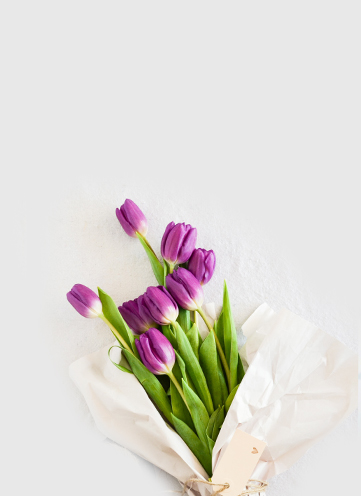
Tulips
- Use cold water and refresh daily.
- Support their upright position with tall vases.
- Don't mix with daffodils; daffodils secrete a sap that shortens the lifespan of other flowers.
Lilies
- Remove pollen stamens (they stain and demand energy from the flower).
- Cut stems every two days for optimum absorption.
Mixed Bouquets
- If possible, separate flowers with vastly different vase lives, as wilting species speed the decline of hearty ones.
- Re-cut stems and change water frequently to ensure all varieties thrive.
Creative Tips to Prolong Cut Flower Beauty
1. Employ Anti-Ethylene Strategies
As mentioned earlier, ethylene gas is a natural plant hormone responsible for accelerating wilting. To minimize its impact:
- Keep flowers away from ripening fruits and vegetables.
- Avoid exposing blooms to cigarette smoke or car exhaust.
2. Use Clean, Conditioned Water
Floral professionals often use distilled or filtered water, especially in areas where tap water is highly chlorinated or hard. If your tap water is suspect, try using boiled and cooled water.
3. Consider Glycerin for Long-Term Preservation
If you want to preserve cut flowers for weeks or months, soaking stems in a mixture of one part glycerin to two parts water can maintain flexibility and vibrance. However, this technique darkens colors and works best with foliage and small blooms.
4. Explore Flower Preservation Methods
When flowers begin to fade but you're not ready to say goodbye, try one of these creative preservation options:
- Pressing: Ideal for flat blooms like pansies or violets. Simply place between parchment and press under heavy books for several weeks.
- Air Drying: Hang flowers upside down in a dark, dry place. Great for statice, lavender, and baby's breath.
- Silica Gel Drying: Bury blooms in silica gel crystals to retain their 3D shape and color.
Common Myths and FAQs About Cut Flower Care
Are copper coins or aspirin really effective in vase water?
While some believe old pennies or aspirin can extend flower life, scientific evidence is mixed. Pennies may provide trace copper, which is a mild fungicide, while aspirin might lower pH--but results vary. Commercial flower food is more reliable.
Should I refrigerate all bouquets overnight?
Refrigeration slows decay, but not all flowers like the cold (tropical types, like orchids, may suffer). Try this with robust species but always keep flowers separate from produce.
Is sugar alone enough for flower food?
Sugar offers energy but also feeds bacteria. Always pair with a mild disinfectant (like bleach or vinegar) and a bit of acid for truly effective homemade flower food.

Quick Reference Checklist: Extending the Beauty of Cut Flowers
- Cut stems with sharp, sterile tools at a 45-degree angle
- Immediately remove lower leaves
- Use clean vases and fresh water
- Add flower food (or a homemade substitute)
- Change water and re-cut stems every 1-2 days
- Keep arrangements in cool, shaded locations
- Remove fading blooms to prevent them from spoiling the entire bouquet
- Avoid placing near fruits or direct heat sources
Conclusion: Celebrate Longer-Lasting Cut Flowers!
With a bit of forethought and ongoing care, you can extend the vase life of cut flowers and experience their beauty day after day. By understanding the factors that cause bouquets to wilt and actively managing them, you'll spend less time disposing of drooping stems and more time enjoying splendid, thriving arrangements.
Incorporate these practices into your flower care routine and share your newfound flower wisdom with friends and loved ones--because everyone deserves to enjoy the vibrant beauty of fresh cut flowers for as long as possible.
Remember: Beauty may be fleeting, but with the right approach, your favorite blooms can last much longer than you expect. Happy flower keeping!
Latest Posts
Orchid Care Guide: Tips for Legendary Blooms
Transform your garden with hydrangeas
How to Extend the Beauty of Cut Flowers