Valentines Park wedding flowers and local ceremony tips
Posted on 13/10/2026
Planning a wedding near Valentines Park can feel beautifully simple on paper and slightly chaotic in real life. You want flowers that look elegant in photos, hold up in the weather, suit the ceremony space, and arrive without drama. You also want local ceremony tips that save time, avoid awkward mistakes, and make the day feel calm rather than rushed. That is exactly what this guide is for.
In the next few minutes, you will get a practical, local-minded look at Valentines Park wedding flowers and local ceremony tips: what matters most, how to choose arrangements, how to work with the setting, what couples often forget, and how to keep the whole thing feeling refined rather than overcomplicated. Truth be told, weddings are already emotional enough. The flowers should not become the stressful bit.
Whether you are planning a small civil ceremony, a relaxed summer gathering, or a more traditional wedding day with a few floral moments, this article will help you make better choices with less guesswork.
- Use the Table of Contents to jump to the section you need.
- Keep the setting in mind because local conditions affect flower choice more than people expect.
- Think in layers: bouquets, buttonholes, ceremony flowers, and practical logistics all matter.
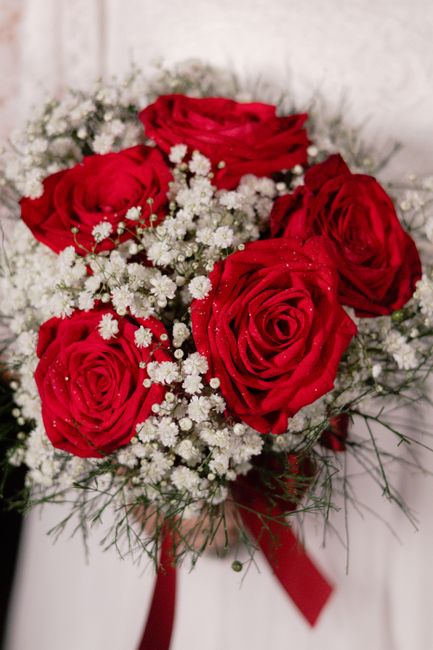
Table of Contents
- Why Valentines Park wedding flowers and local ceremony tips Matters
- How Valentines Park wedding flowers and local ceremony tips Works
- Key Benefits and Practical Advantages
- Who This Is For and When It Makes Sense
- Step-by-Step Guidance
- Expert Tips for Better Results
- Common Mistakes to Avoid
- Tools, Resources and Recommendations
- Law, Compliance, Standards, or Best Practice
- Options, Methods, or Comparison Table
- Case Study or Real-World Example
- Practical Checklist
- Conclusion
- Frequently Asked Questions
Why Valentines Park wedding flowers and local ceremony tips Matters
Valentines Park is the kind of setting that rewards thoughtful planning. It has a natural, open-air charm that can make a wedding feel relaxed and romantic, but that same openness also means details matter. Wind, walking distances, timing, and the simple fact that people are carrying things through a public green space can all influence your floral decisions.
That is why the flowers and the ceremony tips belong together. A bouquet does not exist in isolation. It has to match the route the couple is taking, the size of the ceremony, the likely weather, the transport arrangements, and the mood you want to create. If you have ever seen a beautiful arrangement looking slightly tired by the time it reached the aisle, you will know what I mean.
Local ceremony tips matter because they help you work with the venue environment rather than against it. A park ceremony often rewards a lighter touch: flowers that photograph well in natural light, arrangements that can be moved easily, and a timeline that allows for small delays. Nothing fancy there, just common sense, really. But common sense is half the battle on wedding days.
This topic matters even more if you are trying to balance visual impact with practicality. A bouquet that looks stunning indoors may be awkward outdoors. A centrepiece built for a banquet hall may not suit a more informal celebration in the park. And if you are coordinating family, guests, suppliers, and possibly a short walk between locations, those decisions become even more important.
Expert summary: The best Valentines Park wedding flowers are the ones that suit the space first and the photos second. When those two things line up, everything feels calmer, more polished, and a lot less fiddly.
How Valentines Park wedding flowers and local ceremony tips Works
In practical terms, planning flowers for a Valentines Park wedding starts with the ceremony format. Are you having a small gathering with a bridal bouquet, a few buttonholes, and simple hand-tied arrangements? Or do you want a fuller floral story with matching bridesmaid bouquets, ceremony flowers, and reception pieces? The answer shapes everything else.
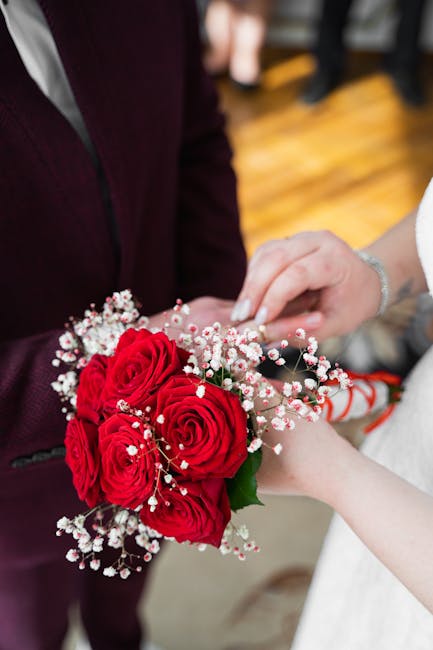
Most couples begin with the bridal bouquet, then build around it. That makes sense because the bouquet is often the most visible floral piece and sets the colour palette. From there, you can coordinate bridesmaid bouquets, buttonholes, corsages, and ceremony decor. If you want inspiration from a dedicated wedding range, a collection such as weddings can help you compare styles without feeling overwhelmed.
Local ceremony tips are the practical side of the same plan. They cover arrival timing, flower handling, weather backup, and how to make sure arrangements stay fresh from the moment they leave the florist to the moment they are seen by guests. In a park setting, that often means choosing sturdier stems, keeping water access in mind, and avoiding anything too delicate if the day is warm or breezy.
Think of the process like layering a wedding outfit. The bouquet is the statement piece, the buttonholes and bridesmaid flowers keep the look cohesive, and the ceremony logistics make sure none of it falls apart by 2pm. Not glamorous, perhaps, but absolutely essential.
If you are still deciding on flower types, seasonality, and colour direction, it helps to browse a wider range first. For example, a florist category like all flowers can be useful when you want to see what is available before narrowing your wedding palette.
Key Benefits and Practical Advantages
Good wedding flowers do more than look pretty. They create structure, mood, and continuity. When chosen well for a Valentines Park ceremony, they can soften the surroundings, tie together outfits, and make the whole event feel intentional instead of improvised.
- Better photos: Flowers in the right tones and scale translate beautifully in natural park light.
- Less stress: Simple, robust arrangements are easier to carry, store, and place on the day.
- Stronger theme consistency: Matching bouquets, buttonholes, and table flowers help the celebration feel unified.
- More flexibility: Well-planned florals can move from ceremony to reception with minimal fuss.
- Improved guest experience: Clear floral placement helps define where people should gather and what feels important.
There is also a budget benefit, which couples sometimes overlook. If you choose arrangements thoughtfully, you can create a strong visual impact without trying to decorate every inch of the venue. That is a good thing. Flowers are charming, yes, but they do not need to shout.
A practical example: a couple planning a late-afternoon ceremony may choose a bridal bouquet, two bridesmaid bouquets, a handful of buttonholes, and a small ceremonial arrangement rather than a full-scale installation. The result can look elegant and cohesive, while keeping the logistics light enough that nobody is frantically rearranging stems five minutes before the vows.
If you want a more streamlined route, a florist choice option such as florist choice can sometimes work well for supplementary blooms, especially when you are more interested in quality, freshness, and colour harmony than a very specific stem-by-stem brief.
Who This Is For and When It Makes Sense
This approach makes sense for couples who want a park wedding that feels pretty, relaxed, and well put together without becoming overly formal. It is especially useful if you are working with a public or semi-public outdoor setting where you cannot control every detail.
You will benefit most if you are:
- planning a wedding near Valentines Park or another outdoor ceremony setting
- wanting flowers that photograph well in daylight and natural surroundings
- trying to coordinate a modest-to-medium floral plan rather than an elaborate installation
- working to a practical budget and want value without looking sparse
- mixing traditional wedding elements with a more informal outdoor feel
It also makes sense for couples who have a clear colour preference but are not sure how to translate that into actual flower choices. Soft whites, blush pinks, romantic reds, and mixed seasonal tones all work differently in a park. So do flowers with a stronger shape, like roses, lilies, or lisianthus, compared with looser garden-style arrangements.
To be fair, some couples do not realise how much the setting changes the feel of the flowers. Indoors, you can sometimes get away with denser arrangements. Outdoors, you often want more air, more movement, and a little more resilience. That is not a flaw in the design; it is just the environment doing its thing.
Step-by-Step Guidance
1. Start with the ceremony tone
Decide whether the ceremony should feel classic, romantic, modern, or garden-led. This shapes the flowers more than colour alone. A classic civil ceremony may suit white roses and structured bouquets, while a softer garden look might benefit from mixed blooms and a looser silhouette.
2. Choose the bouquet before the extras
The bridal bouquet usually sets the tone for everything else. Once you know the bouquet style, it becomes much easier to decide on bridesmaid bouquets, buttonholes, and any table arrangements. If you are looking at bouquet ideas, options like i cherish you bridal bouquet or pure romance bridal bouquet show how a wedding bouquet can create a polished focal point.
3. Match the flowers to the park setting
Outdoor weddings often benefit from flowers with a strong shape and good durability. Roses, lisianthus, orchids, and buttonhole-friendly stems are common choices because they hold their form well and look elegant in photographs. Avoid designs that are too heavy if the couple will be carrying bouquets for a while. It sounds obvious, but a bouquet that is beautiful for ten minutes and awkward for an hour is not ideal.
4. Plan for wind, heat, and movement
Valentines Park may be calm on one day and breezy the next. Ask your florist how stems are secured, whether any flowers need water sources, and whether the design can handle transport in a car or taxi. On a warm afternoon, hydrated stems and a slightly shorter hold time before the ceremony can make a real difference.
5. Coordinate buttonholes and bridesmaid flowers
Wedding flowers feel more coherent when the smaller pieces are considered early. Buttonholes, bridesmaid bouquets, and corsages should not feel like afterthoughts. They should echo the bridal flowers, not compete with them. If you need buttonhole options, a range like wedding buttonholes can help you decide on the right tone for the groom, best man, or close family.
6. Decide what happens after the ceremony
Will the flowers move to a reception venue? Will table arrangements be reused? Will the bouquet be preserved, gifted, or kept for photos? This matters more than people think. A smart plan saves money and keeps the flowers useful all day instead of briefly beautiful and then forgotten in a corner.
7. Build in a simple delivery buffer
Even the best plan benefits from a little breathing room. Allow time for parking, walking, setup, and that one relative who is always running five minutes late. A quiet margin can prevent a rushed handover and protect the flowers from unnecessary handling.
Expert Tips for Better Results
Here is where the small decisions really start to pay off. These are the details that separate a nice wedding flower plan from one that feels effortless.
- Keep the palette tight. Two or three main shades are usually enough. Too many colours can look lively, but they can also feel scattered in a park setting.
- Use texture thoughtfully. Pair structured flowers with softer elements so the bouquet feels alive without looking messy.
- Think in photographs, not just in real life. Some flowers look lovely up close but disappear visually in wider shots. A bit of contrast helps.
- Choose practical stems for carrying. Heavy cascading designs look dramatic, but not every bride wants to hold one for half an hour. Comfort counts.
- Ask about substitutions. Seasonal availability changes. A good florist should explain options clearly rather than pretending every stem is always available. That would be nice, but it is not how flowers work.
A small local observation: in outdoor UK ceremonies, the light can change quickly. A bouquet that looks soft and pale at 11am may look very different at 4pm under stronger sun or cloud break. If you want the flowers to read clearly in photos, ask for shapes and tones that keep their presence in shifting light.
One-line truth? Simple often wins.
Another useful point: if your wedding has a theme, make the flowers support it rather than copy it too literally. For example, a romantic theme does not need roses in every single arrangement. You can still use lilies, lisianthus, or mixed white blooms to create a softer, more contemporary feel.
If you are leaning toward a refined, cohesive collection, you might compare wedding ranges such as the perfect match wedding collection or white wonders wedding collection for a sense of how bouquets and coordinating pieces can work together.
Common Mistakes to Avoid
Even well-organised couples fall into a few predictable traps. Nothing dramatic. Just the sort of things that create avoidable stress.
- Choosing flowers before considering the setting. Outdoor ceremonies have different practical needs from indoor ones.
- Overcomplicating the colour palette. More colour is not always more impact.
- Forgetting about transport. Bouquets and buttonholes need a safe ride, especially if guests are helping with collection.
- Leaving the order too late. Popular wedding dates can create availability issues, particularly for specific stems and designs.
- Ignoring the after-ceremony plan. If you do not know where the flowers are going next, they can end up wasted.
- Choosing statement pieces that are too heavy. Gorgeous, yes. Comfortable, maybe not.
Another common issue is assuming every arrangement should be symmetrical and formal. In a park, a slightly more relaxed shape often feels right. A bouquet can look finished without being rigid. In fact, a little softness can make it more romantic.
And one more, because it comes up a lot: do not let "matching" become the only goal. Matching is useful, but harmony is better. Flowers that share tone, texture, and mood often look better than flowers that are identical.
Tools, Resources and Recommendations
You do not need a complicated toolkit to plan wedding flowers well, but a few practical resources can make the process far easier.
- Colour reference images: Save a handful of clear photos that show the tone you want, not just random bouquet pictures.
- Simple timeline notes: Write down ceremony time, collection time, travel time, and when the flowers need to be handed over.
- Guest role list: Keep track of who needs buttonholes, corsages, or a smaller bouquet.
- Flower care guidance: Review basic care and handling so the blooms stay fresh once they arrive. A page like flower care can help with the practical side of keeping stems looking their best.
- Delivery details: Check the delivery information early so nobody is guessing on the day. You can review a florist's delivery guidance to understand timing and handover expectations.
For flower inspiration, wedding-specific products can also be helpful. For example, wedding bridal bouquets, wedding bridesmaid bouquets, and wedding table arrangements give you a practical starting point when you are trying to visualise the day as a whole.
If you are exploring a more romantic direction, product families such as roses, lilies, or luxury flowers can help you narrow down your style. Roses are classic, lilies feel graceful and clean, and luxury-style arrangements are useful if you want a fuller visual statement.
Law, Compliance, Standards, or Best Practice
For weddings in or around a public park, the key point is to follow the venue or local authority rules that apply to the ceremony location, even if the flowers themselves are not heavily regulated. In practice, that usually means respecting access arrangements, booking requirements where relevant, and any guidance about setup, noise, waste, or public use of the space. These details can vary, so it is always sensible to check the current ceremony permissions before finalising anything.
From a florist's perspective, best practice is simpler: provide clear order details, confirm delivery timing, explain any access constraints, and make sure the flowers are appropriate for the weather and setting. If candles, open flame, or larger installations are involved, the couple should be especially careful about safety and venue restrictions. Outdoor spaces can be forgiving, but they are not a free-for-all.
There is also a general standard of good practice around freshness, substitution transparency, and fair communication. If a particular flower is unavailable, the florist should explain alternatives in plain language and aim to preserve the look and feel of the original brief. That is especially important for wedding work, where small changes can matter a lot emotionally.
On the couple's side, one good habit is to confirm everything in writing: colours, delivery point, number of items, times, and what happens if plans change. It is not exciting, but it does stop problems later. A wedding day is not the place for "I thought we agreed..." conversations. Nobody wants that.
Options, Methods, or Comparison Table
There is no single right way to handle wedding flowers for a Valentines Park ceremony. The best option depends on your style, budget, and how much coordination you want to manage.
| Approach | Best for | Strengths | Trade-offs |
|---|---|---|---|
| Simple bouquet-led plan | Small or intimate ceremonies | Easy to organise, elegant, budget-friendly | Less decorative impact across the venue |
| Coordinated full wedding set | Couples wanting a polished, matching look | Strong visual consistency, better photo story | Needs more planning and often a bigger budget |
| Park-friendly lightweight styling | Outdoor or mobile ceremonies | Practical, comfortable, easy to move | May feel less dramatic than large displays |
| Floral collection approach | Couples who want a ready-made style direction | Simple decision-making, cohesive design language | Less bespoke than fully custom work |
A helpful way to decide is to ask one question: do you want the flowers to be the main visual feature, or one beautiful part of a wider wedding picture? If the latter, you can keep things tighter and still look refined. That is often the sweet spot.
For example, if you want a more classic wedding aesthetic, a clean bouquet and matching buttonholes can be enough. If you are leaning toward a more romantic or layered look, then adding bridesmaid flowers or table pieces makes sense. Not every wedding needs to go all-in. Honestly, that is a relief for most people.
Case Study or Real-World Example
Here is a realistic example based on the kind of planning couples often do for a Valentines Park ceremony. A pair of newly engaged couple wanted something elegant, outdoor-friendly, and not too formal. They loved pale tones but did not want the flowers to disappear in photos. Their ceremony was planned for a mild late-spring afternoon, with guests arriving a little before the start time and a short walk from the gathering point to the ceremony area.
Instead of chasing a big floral installation, they chose a white-and-soft-pink palette, a medium-sized bridal bouquet, two bridesmaid bouquets, a few buttonholes, and compact flowers that could move from ceremony to family photos without needing a full reset. The florist kept the design loose enough to feel natural, but structured enough to hold its shape in the wind.
What went well? The flowers were easy to carry, the look translated well in daylight, and the couple did not have to worry about excess setup. The bouquet also matched the bride's dress without overpowering it, which sounds like a small thing but really matters in photographs.
What would have caused trouble? If they had chosen very delicate stems with a long lead time out of water, the outdoor wait could have been risky. If they had ordered too many arrangements, they would have ended up with more to manage than the day needed. Less was more, in the best way.
That kind of wedding is a good reminder that thoughtful restraint can be just as beautiful as abundance. Sometimes the quiet version is the one people remember.
Practical Checklist
Use this checklist to keep your Valentines Park wedding flowers and ceremony planning on track.
- Confirm the ceremony format and timing
- Choose the bouquet style first
- Set the colour palette and keep it focused
- Decide who needs buttonholes or corsages
- Check whether flowers will be reused after the ceremony
- Allow travel and setup time, not just ceremony time
- Ask how flowers will be kept fresh before handover
- Confirm the delivery location and any access notes
- Review weather considerations for the day
- Make sure the florist knows if you want a relaxed or formal finish
- Keep one backup contact in case plans change
- Double-check the final numbers a few days before the wedding
If you want a simple way to stay organised, write the flower plan into the same timeline as the ceremony. That way it sits next to the rest of the day instead of floating around as "something we'll sort later". Later has a habit of arriving very fast.
For couples who prefer a coordinated finish, a wedding-focused range such as si wedding collection can be a neat shortcut for keeping the floral look connected across multiple items.
Get a free quote today and see how much you can save.
Conclusion
Valentines Park wedding flowers and local ceremony tips work best when they are planned as one joined-up idea. The flowers should suit the space, the ceremony should respect the practical realities of a park setting, and the whole look should feel calm, thoughtful, and easy to manage on the day.
If you keep the palette focused, choose reliable stems, allow for weather and movement, and plan the smaller details early, you give yourself a much better chance of enjoying the moment rather than juggling it. That is the real goal, after all.
And honestly, there is something lovely about a wedding that feels beautifully settled without trying too hard. The flowers catch the light, the ceremony unfolds smoothly, and the day breathes a little. That tends to stay with people.
Frequently Asked Questions
What flowers work best for a Valentines Park wedding?
Roses, lisianthus, lilies, orchids, and mixed seasonal blooms often work well because they look elegant and hold their shape reliably. The best choice depends on your season, colour palette, and how much time the flowers need to stay fresh outdoors.
How far in advance should I order wedding flowers?
As early as you can, especially if your date falls in a busy wedding season. Even when the florist can accommodate shorter notice, booking early gives you more choice over stems, style, and delivery timing.
Can outdoor wedding flowers survive the weather in a park?
Usually yes, if they are chosen carefully and handled properly. A good florist will consider wind, heat, sun, and transport. Sturdy stems and sensible timing make a bigger difference than people expect.
Should the bridal bouquet match the bridesmaid bouquets exactly?
Not necessarily. A coordinated palette often looks better than identical arrangements. The bridal bouquet can be a little fuller or more detailed, while bridesmaid bouquets can be slightly simpler.
What is the best colour palette for a park ceremony?
Soft whites, blush tones, classic reds, and mixed romantic shades are all popular. The best palette is the one that suits your outfits, the natural surroundings, and the mood you want the day to have.
How do I keep wedding flowers fresh before the ceremony?
Follow the florist's care guidance closely, keep stems in water if advised, avoid direct sun, and do not leave them in a warm car for longer than necessary. Small timing mistakes can make a difference, especially in warmer weather.
Do I need buttonholes for everyone?
No. Most couples reserve buttonholes for the groom, best man, fathers, and perhaps a few close family members. You can keep it simple and still have a polished look.
Can I reuse ceremony flowers at the reception?
Yes, often you can. Small arrangements, table flowers, and some larger pieces can be repurposed if the timeline allows. This is one of the easiest ways to get more value from your floral budget.
What if my chosen flowers are out of season?
A florist can usually suggest substitutes that keep the colour and feel of the design intact. It is better to work with seasonal availability than force a design that may not travel or last well.
How much floral styling is enough for a small wedding?
For many small ceremonies, a bridal bouquet, a few buttonholes, and one or two supporting arrangements are enough. The key is cohesion, not quantity. A smaller plan can still look very refined.
What should I ask the florist before confirming my order?
Ask about flower availability, delivery timing, substitutions, freshness, setup, and what happens if the weather changes. Clear answers now prevent a lot of stress later.
Are ready-made wedding collections worth considering?
They can be, especially if you want a cohesive style without building every piece from scratch. Collections are useful when you want a clear visual direction and a simpler decision-making process.
If you are ready to move forward, choose the flowers that fit your setting, keep the plan realistic, and let the day feel like itself. That usually turns out beautifully, and sometimes beautifully is exactly enough.