Common problems with corporate flowers in South Woodford
Posted on 24/10/2026
If you manage an office, reception, salon, showroom, hotel desk, or client-facing workspace, you already know that flowers can do a lot of quiet heavy lifting. They soften a room, make a first impression feel warmer, and help a space look cared for without shouting about it. But the common problems with corporate flowers in South Woodford are also very real: late deliveries, short vase life, awkward sizing, the wrong style for the brand, and arrangements that look tired after two days. Truth be told, most of the frustration comes from avoidable mismatches rather than the flowers themselves.
In this guide, we will look at the issues businesses run into most often, why they happen, and how to prevent them. You will also find practical steps, a checklist, and a grounded look at what makes corporate flower supply work well in a busy London setting like South Woodford. And yes, we will keep it plain English. No flower-shop mystique needed.
- Why these problems matter
- How corporate flower delivery usually works
- Key benefits of getting it right
- Who this is for
- Step-by-step guidance
- Expert tips for better results
- Common mistakes to avoid
- Tools, resources and recommendations
- Law, compliance, standards and best practice
- Options and comparison table
- Real-world example
- Practical checklist
- Conclusion
- Frequently asked questions
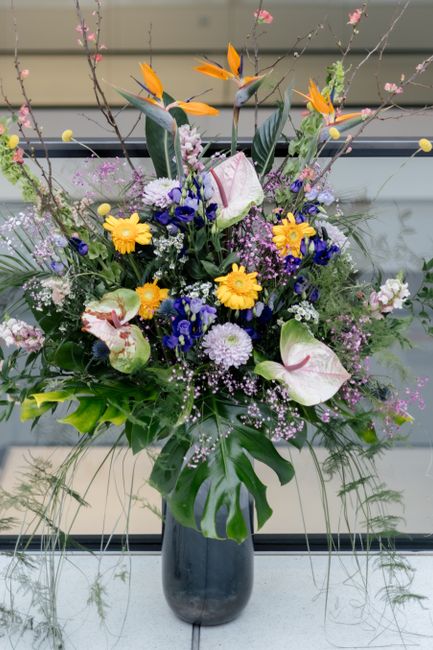
Why Common problems with corporate flowers in South Woodford Matters
Corporate flowers are not just decoration. They are part of how a business feels to visitors and staff. A crisp reception arrangement can make a cramped Monday morning office feel a bit more human, while a wilted or badly placed display has the opposite effect. People may not consciously analyse it, but they absolutely notice it. They notice the smell, the colour, the freshness, and whether the flowers feel in step with the rest of the space.
In South Woodford, where many businesses balance professionalism with a neighbourhood feel, flowers often need to do several jobs at once. They need to look polished, fit the space, survive indoor heating or air conditioning, and arrive when reception staff can actually deal with them. If even one part slips, the whole setup can feel off. That is why it helps to understand the common problems before they start costing time, money, or goodwill.
There is also a practical side. Flowers that arrive too early, too late, or in the wrong condition create extra admin for office managers and front-of-house teams. Someone has to sign for them, unpack them, find a vase, trim stems, clear packaging, and probably apologise to a client while doing it. Not ideal, really.
Expert summary: the biggest corporate flower problems are usually not about taste. They are about reliability, scale, timing, and fit. When those four line up, the flowers work. When they do not, even a beautiful bouquet can become a nuisance.
How Common problems with corporate flowers in South Woodford Works
At its simplest, corporate flower delivery is a service relationship. A business chooses a style, a budget, and a frequency. The florist prepares arrangements, delivers them to the office or venue, and ideally keeps them looking fresh through the agreed display period. In practice, there are several moving parts, and each one can go wrong in a different way.
Typical workflow
- The business sets a brief: brand colours, budget, flower size, and delivery schedule.
- The florist selects seasonal stems and designs an arrangement that suits the space.
- The order is prepared, packed, and sent out for delivery.
- Flowers are received, unboxed, hydrated if needed, and placed in position.
- The arrangement is maintained, refreshed, or replaced on the agreed cycle.
Sounds simple enough. It rarely is, of course. The problems usually emerge where expectations are too vague. For example, a business may ask for "something elegant" without saying whether the flowers are for a reception desk, a boardroom, or a customer lounge. Those are very different environments. One can take a taller, more dramatic design; another needs something lower so people can actually see each other over the table.
Another common issue is delivery handling. A flower arrangement might be perfect on paper but awkward in a building with limited access, a busy concierge desk, or strict delivery windows. If nobody is available to receive it, the flowers can sit in a lobby and lose quality before they are even unpacked. That is the sort of thing that makes a team member sigh and say, "right, we'll sort it later," which is usually a bad sign for fresh flowers.
If you are considering a more structured service, options such as corporate accounts can help reduce some of this friction by making ordering, scheduling, and repeat deliveries more manageable.
Key Benefits and Practical Advantages
It might sound odd to talk about benefits in an article about problems, but that contrast matters. Once you understand what goes wrong, it becomes clearer what good corporate flower service is supposed to deliver.
- Better first impressions: fresh flowers in reception or meeting areas make a space feel maintained and thoughtful.
- Less admin churn: when delivery and setup are predictable, staff spend less time chasing missed drops or replacing tired stems.
- Brand consistency: the right colours and style can support the visual identity of the business without becoming too showy.
- Improved atmosphere: flowers can soften hard interiors, especially in glass-heavy or minimalist office spaces.
- Flexible scaling: small arrangements for desks, larger displays for entrances, seasonal refreshes for events. You can scale it up or down.
For many businesses, the real advantage is reliability. Once the florist understands your space, your receiving process, and your preferences, things tend to get smoother. And smoother is good. Smooth means fewer interruptions, fewer awkward "where do I put these?" moments, and fewer dead-headed stems in a back office by Thursday afternoon.
There is also a subtle people factor. Staff often appreciate thoughtful details more than businesses expect. A well-timed display can lift the mood on a grey morning in a way that no email ever will.
Who This Is For and When It Makes Sense
Corporate flowers are a natural fit for businesses that care about presentation, visitor experience, or internal morale. In South Woodford, that might include accountants, solicitors, estate agents, clinics, design studios, co-working spaces, hospitality venues, and local independent businesses that want a polished welcome without looking overdone.
It tends to make sense when you need:
- a reception area that feels warm and professional
- regular refreshes for client-facing rooms
- flowers for meetings, launches, open days, or staff events
- seasonal displays that match the business calendar
- a simple recurring service rather than one-off ad hoc orders
It may be less useful if the workspace is extremely small, has no clear display area, or rarely receives visitors. In that case, a compact arrangement or less frequent schedule may be better. That is one of the recurring themes here: match the service to the actual environment, not to an idealised version of it.
Businesses with busy footfall should also think carefully about vase stability, scent levels, and placement. A gorgeous arrangement is no help if it blocks the sign-in desk or tips over every time a courier rushes past. Small detail, big annoyance.
For offices that need dependable next-day replacements or a quick refresh before an event, services like next-day flower delivery in South Woodford E18 can be useful when timing is tight.
Step-by-Step Guidance
If you want to reduce the common problems with corporate flowers in South Woodford, start with a proper process. Not complicated. Just clear. Here is a practical way to approach it.
1. Define the space
Measure the area where the flowers will sit. Reception counter, boardroom table, waiting area, window ledge, sideboard - each one changes the ideal size and shape. Tall flowers may look striking in a spacious lobby, but they can feel obstructive in a meeting room. If the display is meant to be seen from a distance, design for height and structure. If people will sit close to it, design for low sightlines and subtle scent.
2. Decide the purpose
Are you trying to impress visitors, support staff wellbeing, or mark an event? The purpose affects the colour palette and flower choice. Bright mixed flowers feel lively and friendly; more restrained whites and greens feel calm and professional. There is no single right answer. The right one is the one that suits the room.
3. Set a realistic budget
The lowest-cost option is often the one that disappoints fastest. That does not mean you need luxury every time, but there should be enough budget to cover size, freshness, delivery, and a design that survives the display period. Cheap arrangements can work for short-term needs, though they sometimes need replacing sooner than expected. To be fair, the flowers do not know the invoice total. But the vase life often gives the game away.
4. Agree the delivery routine
Clarify the receiving window, access instructions, and who signs for the delivery. If the business opens at 8:30 and the flowers arrive at 7:45, you have a problem. If they arrive during a staff changeover and no one is ready to unpack them, you have another one. Small logistics issues are the hidden reason many corporate flower arrangements go wrong.
5. Review after the first delivery
Do not wait three months to discover the vase is too big, the scent is too strong, or the colours clash with the branding. After the first delivery, check what worked and what did not. A quick review usually prevents repeat issues. It is one of those boring little habits that saves a lot of hassle later.
Expert Tips for Better Results
In our experience, the best corporate flower setups are not necessarily the fanciest. They are the ones that make everyday life easier. Here are the details that matter more than most people think.
Choose flowers for endurance, not just looks
Some blooms are wonderful on day one and troublesome by day three. Others hold their shape and freshness longer in heated indoor spaces. Ask for flowers that are known to cope well with office conditions. Roses, lilies, alstroemeria, carnations, chrysanthemums, and mixed seasonal stems can all work well depending on the brief.
Keep scent under control
This one gets overlooked. Strong fragrance can be lovely in a home, less so in a meeting room where people are trying to concentrate. In a small enclosed office, heavy scent can become a bit much by lunchtime. Light scent or unscented arrangements are often the safer choice for shared workspaces.
Think about sightlines
A beautiful arrangement should not create social awkwardness. If people have to lean sideways to talk across a table, the design is wrong for the setting. Low, broad arrangements work better for conference tables. Taller stems are better where the flowers are viewed from one side, such as in a reception window or on a side table.
Use seasonal designs sensibly
Seasonal flowers can be excellent value and often look more natural than imported styles forced out of season. That said, not every seasonal arrangement suits every brand. A bright spring mix can feel too casual for a law office, while an elegant white-and-green display might be too formal for a creative studio. Context matters. Always.
Build in a backup plan
Sometimes a flower shortage, transport delay, or last-minute event change happens. It's life. The best suppliers are the ones who can adjust without turning it into a drama. If you have a recurring service, agree what happens if a chosen stem is unavailable or a delivery slot changes.
If you want a wider sense of styles before committing, browsing a selection such as best-selling arrangements can make it easier to see what tends to work in real offices and client spaces.

Common Mistakes to Avoid
Most recurring problems with corporate flowers are surprisingly ordinary. The difficulty is that they feel small at first, then become annoying on repeat.
1. Ordering without measuring the space
A bouquet that looks perfect in a shop can be completely wrong in a small reception area. Measure first. It saves time and embarrassment.
2. Choosing style before function
It is easy to fall for a dramatic arrangement. But if it blocks sightlines, sheds petals on paperwork, or needs constant fussing, it is not a good business choice. Function should come before flair.
3. Ignoring delivery access
If the building has a concierge, security desk, or timed access, say so upfront. A missed handover can leave flowers outside in poor weather, and nobody wants that.
4. Forgetting maintenance
Flowers are not a one-and-done item. Water levels, stem trimming, and placement all matter. If nobody is responsible, arrangements tend to decline faster than expected.
5. Using the same arrangement for every purpose
Corporate flowers for a boardroom, an event entrance, and a small waiting area should not all look identical. One size rarely fits all. It looks lazy if you try.
6. Overlooking feedback from staff
The people nearest the flowers usually know what works. Reception staff can tell you whether the vase is awkward, whether the petals drop too much, or whether deliveries arrive at a dreadful time. Listen to them. They see the real version.
There is no need to make this complicated, but there is a need to pay attention. A few minutes of planning can save several months of low-level irritation.
Tools, Resources and Recommendations
You do not need a box of specialist equipment to make corporate flowers work. Still, a few simple tools and habits help enormously.
- A basic delivery log: date, time, recipient, arrangement notes, and any issues.
- A space photo folder: pictures of the reception, meeting room, or event area so future orders can be matched more accurately.
- A maintenance checklist: water top-up, stem trim, pollen control, waste removal, and placement review.
- A budget band: a realistic spend range for different display types so decisions are quicker.
- Colour references: brand guidelines or simple photos of interior finishes to keep designs aligned.
For businesses that like consistency, a recurring product style can be helpful. For example, a classic reception display might be complemented by seasonal changes or a rotating range of subtler designs. If the objective is long-term freshness with fewer decisions, flower subscriptions can simplify the process. Options such as a 12-month flower subscription or shorter-term plans may suit offices that want regular refreshes without reordering from scratch every time.
For gifting linked to client visits, team milestones, or office celebrations, the broader range of corporate gifting options can also help keep things joined up rather than feeling pieced together at the last minute.
If you want to learn more about the business itself, the florist's about us page, guarantees, and delivery details are worth reviewing before you commit. Those pages usually tell you more about service reliability than a glossy image ever will.
Law, Compliance, Standards, or Best Practice
For most businesses, corporate flowers are not a heavily regulated service, but a few best-practice points still matter. First, if flowers are being delivered into an office or workplace, the receiving process should not create hazards. Stacks of packaging, wet floors, blocked walkways, or unstable displays are simple things, but they can become health and safety issues if ignored.
Second, if your office has allergy-sensitive staff or clients, think carefully about species choice and scent. This is less about strict legal rules and more about being considerate and sensible. Strong fragrance near a shared desk area is not always appreciated. Ask for low-scent options if needed.
Third, if you are arranging flowers for events involving food service, customer areas, or formal meetings, keep hygiene and placement in mind. Water spills, pollen, and vase breakage are small risks, yet they are the kind that turn into avoidable complaints.
From a service perspective, clear terms and fair communication matter too. It helps to review any terms and conditions, returns and refund policy, and privacy policy if you are setting up a recurring account or sharing contact and delivery details. Not glamorous reading, I know. Still worth it.
Best practice is simple: keep access clear, keep arrangements appropriate for the space, and keep expectations aligned with real-world delivery conditions. That alone prevents a lot of issues.
Options, Methods, or Comparison Table
When businesses struggle with corporate flowers, the fix is often choosing the right format rather than just a prettier bouquet. Here is a simple comparison.
| Option | Best for | Strengths | Potential issues |
|---|---|---|---|
| Single vase arrangement | Reception desks, side tables, small offices | Simple, tidy, easy to place | Can be too small for large spaces |
| Large statement display | Entrances, hotels, showrooms, event areas | High visual impact | Needs more space, more maintenance, and careful access |
| Regular subscription service | Offices wanting consistent freshness | Predictable, lower effort, easy to manage | Needs clear delivery routine and budget discipline |
| Seasonal rotation | Brands wanting variety | Fresh visual interest, often good value | Requires some flexibility with flower varieties |
| Event-only ordering | Launches, meetings, celebrations | Good for occasional impact | Can become last-minute and inconsistent |
If you are unsure which format fits your business, start small and review the result after two or three deliveries. That gives you enough data to judge style, freshness, and practicality without overcommitting. A tiny bit of trial and error is normal. Honestly, it usually saves money later.
Case Study or Real-World Example
Consider a typical South Woodford office with a compact reception area, a couple of client meeting rooms, and a busy weekday flow of staff, visitors, and couriers. The business wants flowers because the space feels a bit stark. First attempt: a tall mixed arrangement delivered mid-morning with no warning to reception. It looked beautiful, but it blocked the sign-in tablet and needed moving twice in the first hour. Not great.
After that, the office changed the brief. They asked for a lower arrangement, agreed a delivery window after 10am, and specified low-scent blooms with a clean white-and-green palette. They also assigned one person to check water levels every couple of days. The result was calmer, neater, and much easier to live with.
The lesson here is simple. The flowers had not failed. The setup had. Once the space, timing, and maintenance were matched properly, the arrangement did exactly what it should do: look fresh, feel welcoming, and disappear into the background in the best possible way.
That last point matters. Good corporate flowers should never feel like admin. They should feel like part of the room.
Practical Checklist
Use this checklist before placing a corporate flower order in South Woodford:
- Have you measured the display area?
- Do you know the purpose of the flowers: reception, meeting room, event, or gift?
- Have you chosen a style that suits the brand and interior?
- Is the scent level appropriate for the space?
- Have you checked access, delivery windows, and who will receive the order?
- Is there a vase or container ready, if needed?
- Has someone been assigned to top up water and monitor freshness?
- Do you have a backup contact if delivery timing changes?
- Have you reviewed the florist's service details and policies?
- Do you know what to do if the flowers arrive damaged or unsuitable?
If you can tick most of those off, you are already ahead of many businesses. Seriously. A little preparation goes a long way here.
Conclusion
The common problems with corporate flowers in South Woodford are usually practical rather than dramatic. Delivery timing, flower longevity, space fit, scent, and maintenance are the areas that cause the most trouble. Get those right and the flowers do more than decorate a room. They support the atmosphere, the brand, and the experience of everyone walking through the door.
The good news is that most of these problems are easy to reduce with a clear brief, a sensible budget, and a florist who understands the rhythm of business life. Measure the space, choose the right style, and keep the delivery process simple. That is the real secret. Nothing flashy. Just reliable, thoughtful, well-placed flowers that do their job quietly and well.
Get a free quote today and see how much you can save.
If you are refining your office presentation, start with the practical details first. The polished look tends to follow naturally, and that is usually where the best results begin.
Frequently Asked Questions
What are the most common problems with corporate flowers in South Woodford?
The most common issues are late deliveries, arrangements that are too large or too small for the space, flowers that fade too quickly, strong fragrance in small offices, and poor communication about access or receiving times.
How do I choose flowers for a reception area?
Pick flowers that suit the size of the desk or table, the brand style, and the amount of foot traffic. Low to medium arrangements work well in many receptions because they look polished without blocking sightlines.
Are corporate flowers worth it for small businesses?
Yes, if the space welcomes visitors or you want the office to feel more polished. Even a modest arrangement can improve the atmosphere, provided it fits the room and the budget.
How often should corporate flowers be replaced?
That depends on the flowers, the room conditions, and the arrangement size. Some businesses replace them weekly, while others do so less often. The key is to refresh them before they start to look tired.
What flower types are best for office settings?
Longer-lasting flowers such as roses, alstroemeria, carnations, chrysanthemums, lilies, and mixed seasonal stems often work well. The best choice still depends on scent, style, and the room itself.
How can I stop deliveries going wrong?
Give the florist clear access instructions, a reliable receiving contact, and a realistic time window. If the building has security or concierge procedures, mention them upfront. That one detail saves a lot of hassle.
Do corporate flowers need much maintenance?
Usually not much, but they do need basic care: water top-ups, stem trimming if needed, and a quick check for tired blooms or dropped petals. Someone should be responsible for that.
Can corporate flowers be matched to brand colours?
Yes, within reason. Many businesses use flowers to echo brand tones or interior finishes. The most successful versions feel subtle and considered rather than overly matched.
What if my office has people sensitive to fragrance?
Ask for low-scent or lightly scented arrangements and avoid heavily perfumed blooms in small shared spaces. It is a simple adjustment and often makes the arrangement more suitable for everyone.
Is a corporate flower subscription better than one-off orders?
For regular displays, a subscription is often easier because it reduces repeat admin and keeps the office looking consistent. One-off orders are better for events or occasional use.
What should I do if the flowers arrive damaged or wrong?
Check the florist's returns and refund guidance and contact them promptly with clear details. Photos and a short description of the issue help speed things up. The sooner you flag it, the easier it is to resolve.
Where can I find more information about delivery and service terms?
Review the florist's delivery information, guarantees, and terms and conditions before setting up regular orders. Those pages usually explain what to expect and help avoid misunderstandings later.